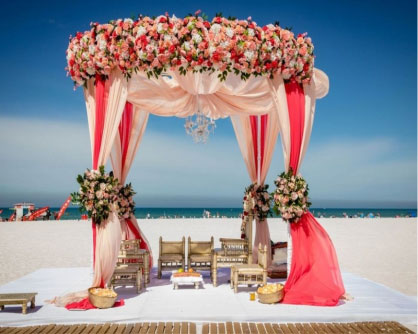
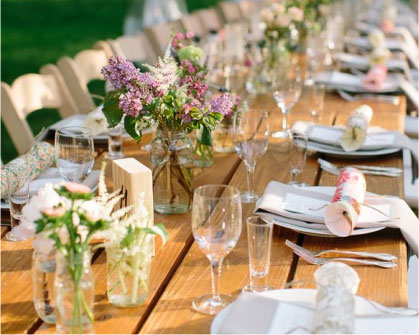

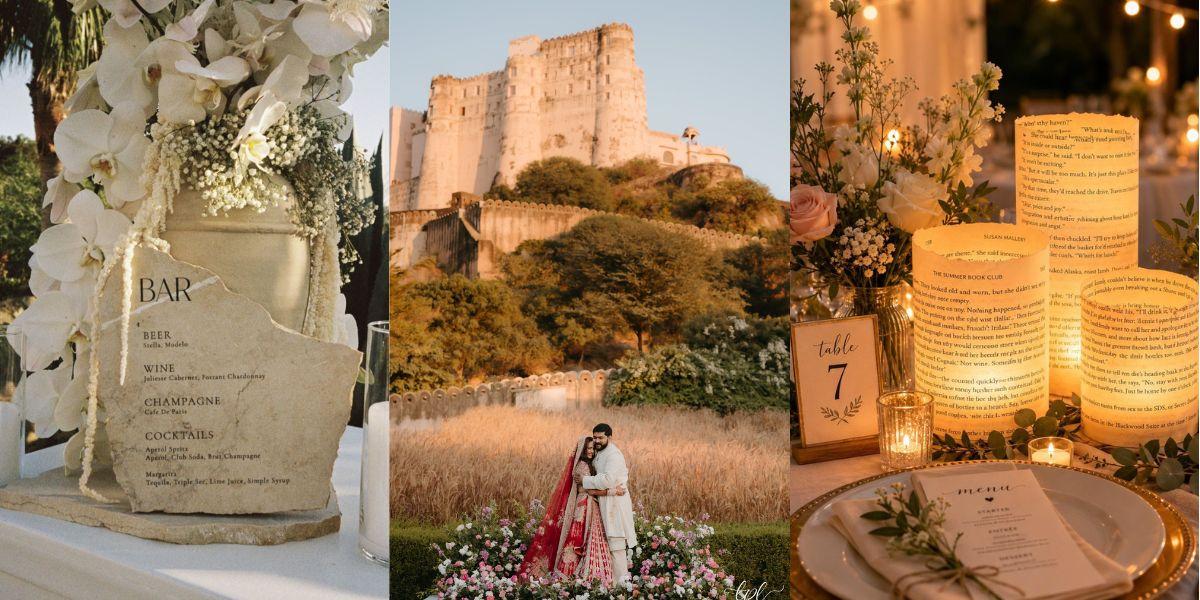
Wedding decor has always been closely associated with flowers. From grand floral mandaps and rose-covered stages to marigold strings and delicate petal pathways, flowers have long been a favourite choice for Indian weddings. But in 2026, couples are exploring a fresh approach to wedding styling that challenges this tradition: anti-floral wedding decor.
The anti-floral trend is all about creating beautiful, memorable spaces without relying heavily on fresh flowers. Instead, it brings together trees, stone, dramatic fabrics, statement lighting, wood, mirrors, metal, paper installations, and architectural elements to create decor that feels distinctive and personal.
And no, anti-floral does not mean boring or completely devoid of natural elements. It simply means allowing other design elements to take centre stage. Whether you are planning an intimate engagement, a glamorous sangeet night, a modern reception, or a traditional Indian wedding with a contemporary twist, this trend offers plenty of room for creativity.
If you are looking for wedding decor inspiration that feels fresh, stylish, and different from the usual floral arrangements, here are the anti-floral wedding decor trends to bookmark in 2026.
Trees Are Trending!

Who says wedding decor needs flowers to feel beautiful? Trees are emerging as striking decorative elements for couples who want to bring nature into their celebrations in a more sculptural and unconventional way.
Imagine a mandap framed by carefully positioned trees, a reception entrance lined with potted olive trees, or an intimate outdoor ceremony beneath a beautiful canopy of branches. Trees can create a sense of scale, depth, and natural elegance that conventional floral arrangements may not always achieve.
For indoor celebrations, potted trees can be placed strategically around the venue, while bare branches can become artistic installations when paired with thoughtful lighting. For outdoor weddings, existing trees can become natural focal points, requiring minimal additional decoration.
You can keep the look understated with greenery and neutral fabrics or introduce hanging lanterns and warm lights for an enchanting evening setting.
The key is to work with the natural surroundings rather than overcrowd them. Choose healthy, venue-appropriate plants and ensure that installations do not damage living trees or obstruct guest movement.
Stone Is Having A Moment

Stone-inspired decor is perfect for couples who appreciate understated luxury, earthy textures, and contemporary design. From marble-inspired surfaces to textured stone panels, this material brings a grounded, architectural quality to wedding spaces.
A mandap featuring stone-textured pillars, a reception stage with sculptural stone-inspired forms, or a welcome area with textured plinths can create an elegant setting without relying on elaborate floral arrangements.
For a soft, sophisticated palette, combine beige, ivory, taupe, and warm grey. If you prefer a more dramatic aesthetic, darker stone finishes paired with metallic accents can make a striking impression.
Stone can also be introduced through smaller decorative elements, such as table accessories, signage bases, display plinths, and statement seating. Lightweight stone-look materials can offer a similar visual effect without the weight and installation challenges of solid stone.
This trend works especially well for destination weddings, contemporary mandap designs, and luxury receptions where the beauty lies in the materials, finishes, and overall composition.
Fabric, But Make It Dramatic

Fabric draping is moving beyond simple curtains and decorative backdrops. In anti-floral wedding decor, textiles become the main attraction, adding movement, texture, and drama to the venue.
Picture sweeping ivory drapes suspended above a wedding mandap, cascading fabric panels framing the entrance, or richly coloured textiles transforming a reception stage into an immersive setting.
Sheer fabrics can create an airy, romantic atmosphere, while velvet, satin, and heavier textiles lend themselves to more opulent celebrations. Pleated panels, layered curtains, asymmetrical drapes, and fabric-covered structures can all create visual interest without a single flower.
For daytime weddings, consider soft pastels, ivory, champagne, or earthy neutrals. For evening celebrations, deeper shades such as burgundy, emerald green, midnight blue, and chocolate brown can create a luxurious mood.
The secret is to play with height, proportion, and texture. Instead of covering every surface, allow selected fabric installations to create a focal point.
Before finalising the design, check ceiling attachment permissions, ventilation, fire-safety requirements, and the venue's installation guidelines.
Let There Be Light

Lighting can transform a wedding venue from an ordinary space into something truly memorable. In anti-floral decor, it is not just a finishing touch but an essential design feature.
Think oversized chandeliers, suspended pendant lights, illuminated arches, sculptural lamps, and carefully positioned spotlights. These elements can highlight architectural details, frame the ceremony space, and create atmosphere without depending on flowers.
For a romantic wedding, warm lighting and softly illuminated drapes can create an intimate ambience. For a glamorous reception, combine statement chandeliers with reflective surfaces and dramatic stage lighting. Sangeet celebrations can take a bolder direction with programmable lighting and colour effects that complement the performances.
Candles can also add warmth to tablescapes and smaller decorative arrangements. Where open flames are not permitted, realistic LED alternatives can create a similar effect.
Lighting should be planned alongside the decor, not added at the last minute. Consider how it will look in photographs, whether it will create glare, and how it will affect guest comfort throughout the event.
Wood Is Bringing The Warmth

Wood brings a sense of warmth and natural character to wedding decor. Its texture and earthy tones can soften contemporary spaces while creating a beautiful alternative to traditional flower-heavy styling.
Wooden mandap structures, carved panels, timber arches, rustic seating, and wooden welcome signage can all become statement features. For a modern celebration, combine clean-lined wooden structures with ivory drapes and understated accessories. For a more traditional Indian wedding, carved wooden screens and handcrafted details can add cultural depth.
Wood also works beautifully with greenery, stone-inspired finishes, brass accents, and soft lighting. These combinations can create a layered aesthetic that feels both contemporary and timeless.
For outdoor weddings, wooden structures can blend naturally with the surroundings. Indoor venues can benefit from wood's warmth, particularly when paired with neutral palettes and subtle textures.
Choose finishes that suit the overall theme, and ask your decorator about responsibly sourced timber, reusable structures, and suitable treatments for outdoor conditions.
Mirror, Mirror On The Wall

Mirrors are an excellent choice for couples who want their wedding decor to feel glamorous, artistic, and visually expansive. They reflect light, introduce interesting perspectives, and add dimension to carefully designed spaces.
A mirrored welcome installation, reflective aisle details, a statement reception backdrop, or mirror-finished table accessories can create striking visual moments. For an engagement ceremony, a mirrored panel featuring the couple's initials can become a personalised focal point. For a reception, reflective surfaces paired with warm lighting and elegant furniture can create a sophisticated atmosphere.
If you prefer a minimalist look, choose clean mirror panels against neutral surroundings. For a more dramatic aesthetic, experiment with antique mirror finishes, curved reflective surfaces, or mirrored furniture.
Mirrors can also help smaller venues feel more open, provided they are positioned thoughtfully.
Keep safety and practicality in mind. Use appropriate safety-grade materials, secure every installation properly, and consider reflections, glare, and photography angles before finalising the setup.
Metal Is Making Things Interesting

Metallic elements can introduce structure, shine, and contemporary character to wedding decor. From brass and copper to chrome and brushed gold, metal finishes can be used to create everything from subtle accents to dramatic installations.
Imagine a mandap framed by elegant brass structures, a reception backdrop with contemporary metal arches, or a welcome area featuring sculptural metallic signage. Even small details such as candleholders, table accessories, decorative stands, and furniture frames can contribute to a cohesive aesthetic.
Gold and brass work beautifully with warm neutrals, traditional textiles, and earthy tones. Silver and chrome lend themselves to modern, minimalist styling, while copper can introduce a softer, warmer finish.
For a polished look, choose one dominant metal finish and repeat it across selected elements. Mixing too many metallic tones can make the decor feel visually busy.
Metal installations can also be reused or rented, making them practical options for couples planning multiple wedding functions. Ask your decorator whether a single structure can be restyled with different fabrics, lighting, or accessories to suit each celebration.
Paper Can Be The Statement

Paper is no longer limited to invitations and stationery. With thoughtful design, it can become an impressive feature of wedding decor.
Oversized paper sculptures, folded geometric forms, layered paper backdrops, hanging installations, and handcrafted cut-outs can introduce texture and creativity without traditional floral arrangements.
For a whimsical engagement, consider oversized paper forms in soft pastel shades. For a contemporary reception, sculptural white paper installations can create an elegant, gallery-inspired backdrop. Colourful paper details can also work beautifully for mehendi celebrations, where playful designs and vibrant hues complement the festive atmosphere.
Paper decor can be customised to reflect a wedding theme, cultural motifs, the couple's initials, or a particular colour palette. It is also well suited to personalised signage, table numbers, seating charts, and decorative displays.
To make paper installations feel premium, focus on scale, craftsmanship, and clean finishing. A few oversized, carefully designed pieces can have more impact than numerous small decorations.
Choose durable materials appropriate to the venue and weather conditions, particularly for outdoor celebrations. Reuse or recycle paper elements wherever possible, and avoid materials that cannot be responsibly disposed of.
Let The Architecture Do The Talking
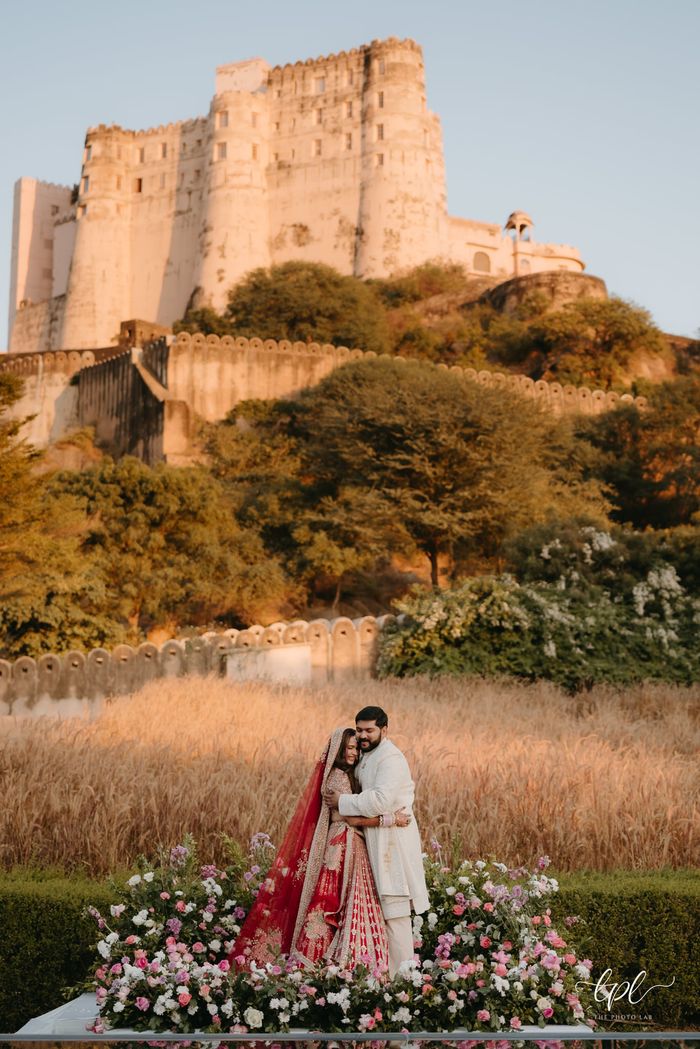
Sometimes, the most beautiful wedding decor is already part of the venue. Architectural features such as grand arches, heritage pillars, high ceilings, stone walls, staircases, courtyards, and expansive windows can become the main attraction when styled thoughtfully.
Instead of covering every surface with flowers and decorative installations, couples can highlight the venue's existing character through carefully planned lighting, understated furniture, elegant draping, and a few well-chosen accessories.
A heritage venue may need little more than warm lighting and minimal table styling to showcase its intricate details. A contemporary banquet hall can benefit from sculptural structures and clean-lined decor that complement its design. An outdoor venue with beautiful trees or an open courtyard can serve as a natural backdrop for an intimate ceremony.
This approach can also help couples make more considered decor decisions. By working with the venue's existing features, they may be able to reduce unnecessary installations and direct their budget towards elements that genuinely enhance the celebration.
Before booking, consider the venue's natural aesthetic, ceiling height, lighting conditions, available space, and installation restrictions. A venue that already complements your wedding vision can make the entire decor process more cohesive.
How To Make Anti-Floral Wedding Decor Work For Your Celebration
The beauty of anti-floral decor lies in its flexibility, but a successful design needs a clear direction. Here are a few things to consider before finalising your wedding decor.
Choose a cohesive theme. Decide whether you prefer modern minimalism, earthy elegance, dramatic luxury, or an artistic aesthetic. This will help you select materials and finishes that complement one another.
Create a focal point. Focus on the mandap, entrance, stage, or reception tablescape instead of trying to make every corner equally elaborate.
Balance textures and finishes. Pair smooth mirrors with textured fabrics, warm wood with metallic details, or sculptural stone-inspired elements with soft lighting. Contrasting materials can make a space feel more layered and interesting.
Consider the venue. High ceilings may suit dramatic draping and suspended lighting, while smaller spaces may benefit from reflective surfaces, carefully placed mirrors, and simpler structures.
Plan for photography. Your decor should look beautiful in person and in photographs. Discuss lighting, reflective surfaces, backdrops, and camera angles with your decorator and photographer.
Be mindful of the budget. Reusable structures, rented props, and selective installations can help control costs, but bespoke fabrication and specialised lighting can be expensive. Compare complete quotations before making decisions.
Think beyond one function. Consider whether key structures can be restyled for the engagement, mehendi, sangeet, and reception. Changing fabrics, lighting, and accessories can give the same installation a fresh look.
Is Anti-Floral Wedding Decor More Sustainable?
Anti-floral decor can support more considered celebrations when couples choose reusable, durable, and responsibly sourced materials. Rented structures, potted plants, reusable fabrics, and decor elements that can be repurposed across multiple functions may help reduce waste.
However, eliminating flowers does not automatically make a wedding more sustainable. Single-use plastic installations, disposable materials, and elaborate structures that are discarded after one event can create their own environmental impact.
Ask your decorator about the materials being used, how installations will be transported, whether structures can be reused, and what happens to the decor after the wedding.
The aim is to create a beautiful setting while making thoughtful choices about materials, resources, and waste.
Final Thoughts
Anti-floral wedding decor is an exciting way to rethink traditional wedding styling in 2026. From sculptural trees and textured stone to dramatic fabrics, statement lighting, warm wood, mirrors, metal, paper installations, and architectural features, there are countless ways to create a memorable celebration without relying on flower-heavy arrangements.
The trend is not about rejecting flowers altogether. It is about exploring new possibilities and allowing materials, textures, lighting, and design to tell a different story.
Whether you prefer an understated ceremony or a glamorous reception, you can adapt these ideas to suit your personal style, venue, and budget.
If you are planning your wedding, explore venues and event professionals through VenueLook to find a space that complements your vision and bring your dream celebration to life.
Frequently Asked Questions
1. What is anti-floral wedding decor?
Anti-floral wedding decor is a styling approach that reduces or avoids traditional flower-heavy arrangements. It uses elements such as trees, stone, fabrics, lighting, wood, mirrors, metal, paper installations, and architecture to create a distinctive wedding setting.
2. Is anti-floral wedding decor trending in 2026?
Anti-floral styling fits the growing interest in personalised, contemporary wedding aesthetics. It offers couples alternatives to conventional floral mandaps, stages, and centrepieces, allowing them to experiment with different materials, textures, and design styles.
3. What can I use instead of flowers for wedding decor?
Popular alternatives include sculptural trees, stone-inspired structures, fabric draping, statement lighting, wooden installations, mirrors, metallic accents, paper sculptures, and architectural features. The best options depend on your wedding theme, venue, and budget.
4. Is anti-floral wedding decor cheaper than floral decor?
Not necessarily. Simple draping, rented props, and reusable structures can help manage costs, while custom installations, premium materials, and specialised lighting can be expensive. Compare complete quotations that include transport, labour, installation, and dismantling.
5. Can anti-floral decor work for a traditional Indian wedding?
Absolutely. Traditional mandap structures, brass accessories, carved wood, cultural motifs, and ceremonial elements can be combined with contemporary materials such as fabric, stone-inspired finishes, mirrors, and lighting. This allows couples to respect wedding traditions while creating a fresh visual style.