





Step 1: Define the Purpose and Goals

Before diving into the logistics, clearly outline the purpose of the event. Ask yourself:
- Why is the award ceremony being organized?
- Who is the target audience?
- What is the desired outcome?
Step 2: Set a Budget

Establishing a budget is critical to prevent overspending and to allocate resources effectively. Your budget should account for:
- Venue costs
- Catering
- Decor
- Audio-visual equipment
- Awards and trophies
- Entertainment
- Marketing and invitations
- Contingency funds
Step 3: Choose the Right Venue

The venue sets the tone for the event. Consider these factors:
- Capacity: Ensure the venue can comfortably accommodate your guests.
- Location: Choose a location that is easily accessible for attendees.
- Facilities: Check for amenities such as parking, restrooms, and technical support.
- Ambiance: The venue’s aesthetic should align with the event’s theme.
Step 4: Select a Theme and Format

A well-defined theme adds a cohesive and memorable element to your ceremony. Themes can range from glamorous red carpet evenings to more casual, industry-specific motifs. Ensure the theme reflects the nature of the awards and resonates with the audience.
Step 5: Create a Comprehensive Program

Design a program that balances formality with entertainment. A typical award ceremony agenda might include:
- Guest Arrival and Registration: Welcome attendees and guide them to their seats.
- Opening Speech: Set the tone with a compelling welcome address.
- Entertainment: Include a performance or act to engage the audience.
- Award Presentations: Organize awards by categories, ensuring smooth transitions.
- Closing Remarks: Thank attendees, sponsors, and organizers.
- Networking/Reception: Offer a chance for guests to mingle post-ceremony.
Step 6: Select Award Categories and Recipients
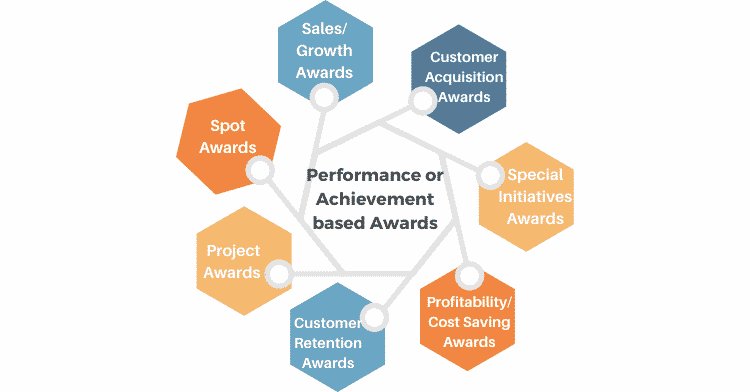
Define award categories that align with the purpose of the ceremony. Categories should be:
- Inclusive and fair
- Representative of the organization's goals
- Clearly communicated to participants
Step 7: Design Invitations and Promotional Materials

Create a buzz around your event with well-crafted invitations and promotional content. Use digital platforms like social media, email marketing, and your organization’s website to spread the word. Don’t forget to design attractive physical invitations if needed, aligning with the event’s theme.
Step 8: Focus on Visual and Technical Elements

Professional-grade audio-visual setups are crucial for award ceremonies. This includes:
- High-quality microphones and sound systems
- Dynamic lighting to highlight awardees and performers
- Screens for live feeds and presentations
- A tech team on standby to resolve issues promptly
Step 9: Arrange for Awards and Gifts

The awards themselves should reflect the prestige of the ceremony. Options include:
- Trophies
- Plaques
- Certificates
Step 10: Organize Catering Services

Food and beverages can make or break an event. Plan a menu that caters to diverse tastes and dietary requirements. Decide between:
- Sit-down dinners for formal events
- Buffets for a more casual feel
- Cocktails and finger foods for shorter ceremonies
Step 11: Plan Rehearsals

A full rehearsal is essential to identify and resolve potential hiccups. Walk through the program with:
- Emcees and speakers
- Performers
- Technical teams
Step 12: Engage the Audience
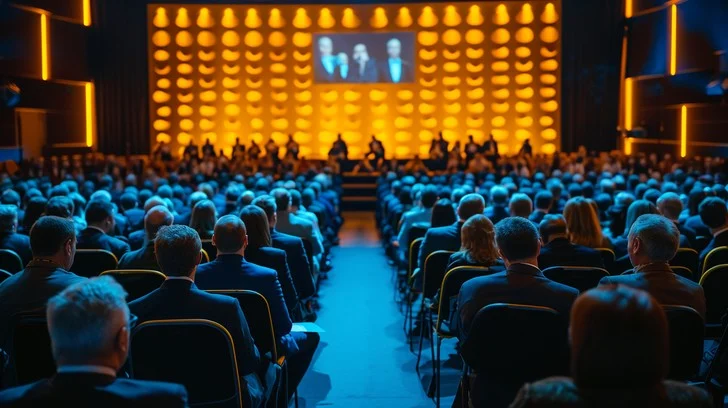
Make your audience feel involved with:
- Live social media interactions
- Audience polling for fun categories
- Personalized messages or shout-outs
Step 13: Arrange for Photography and Videography

Capture the highlights of the ceremony with professional photography and videography. These materials are invaluable for post-event promotions and creating lasting memories for participants.
Step 14: Prepare for Contingencies
Even the best plans can go awry. Prepare for potential issues such as:
- Power outages (have backup generators)
- No-shows (keep a flexible agenda)
- Technical glitches (have technicians on-site)
Step 15: Evaluate and Follow Up

After the event, gather feedback from attendees, awardees, and team members. This can be done through:
- Online surveys
- Post-event meetings